
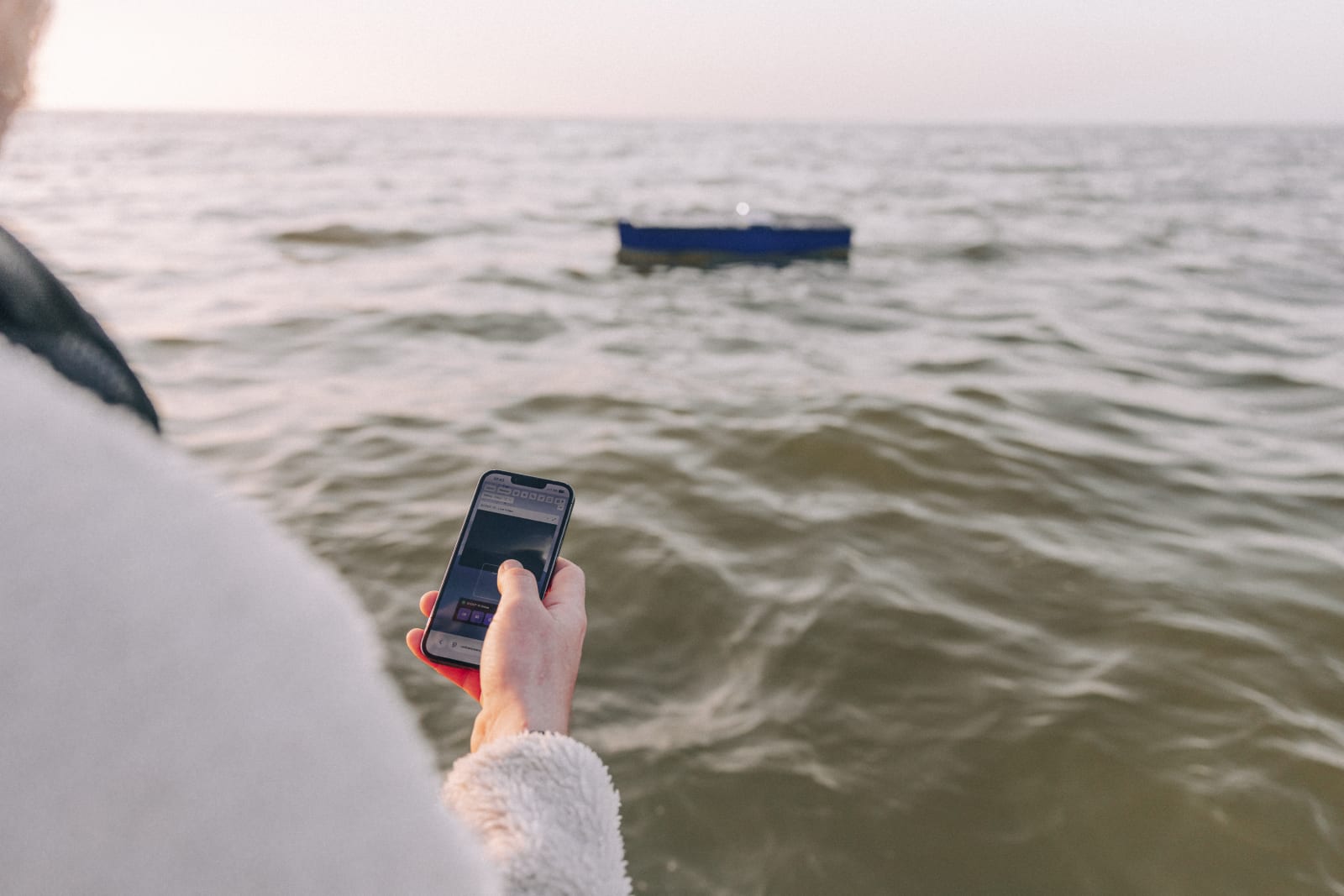
Passive acoustic monitoring: detecting whales and dolphins with Hydrotwin AI
The challenge
Offshore developers and regulators need to know which marine mammals are present, and when, around a site. The conventional tools all have gaps. Visual observers only work in daylight and calm seas. Vessel-towed hydrophones cost a ship and crew for every hour of listening. Archival acoustic moorings record for months, but the data arrives only after recovery, followed by months of manual analysis, long after the animals have moved on.
The solution
Fitted with Scout Hydrotwin, Scout runs passive acoustic monitoring (PAM) at sea: an onboard hydrophone listens continuously while Hydrotwin's AI detects and classifies whales, dolphins and porpoises in real time. Edge processing means alerts arrive immediately, streamed by satellite to cloud dashboards, instead of after months of manual analysis. It keeps listening at night and in sea states that ground visual observers.
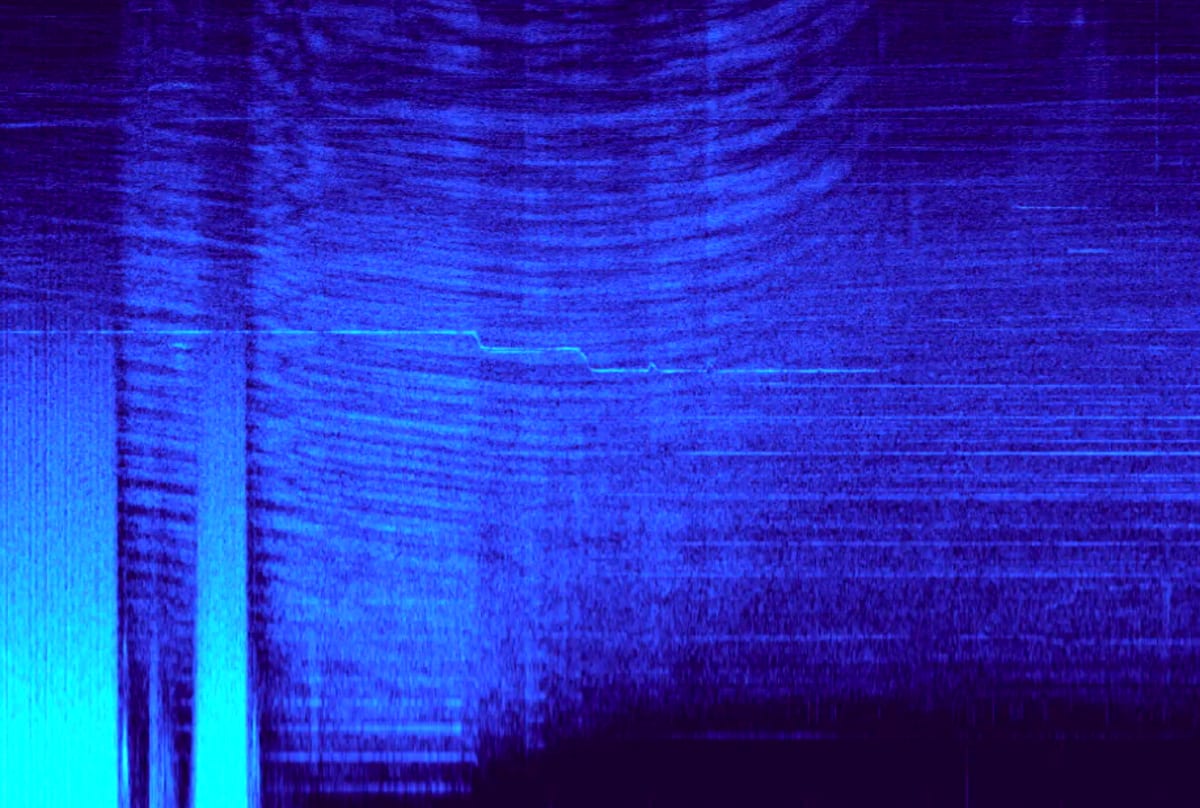
Live hydrophone spectrogram streaming from Scout into Tether
Delivered
Because Scout holds station or transits for months on solar power, a single deployment can track cetacean presence and migration paths across a whole season, without a crewed vessel ever leaving port. Detections stream in as they happen; the full audio record is there when analysts want to dig deeper.
Why it matters
Real-time PAM turns environmental monitoring from a retrospective exercise into an operational tool.
- Environmental compliance for offshore wind construction and operation, with immediate alerts when animals enter an area
- Seasonal baselines for consenting and marine protected area monitoring, from one deployment
- 24-hour coverage in conditions that ground visual observers
- No vessel on site, so monitoring costs stop scaling with ship time
Bring us your site
The same platform supports baseline surveys, construction monitoring and long-term stewardship. See marine mammal monitoring and offshore wind monitoring for more.