Home/Case studies

Scout in the field

From weeks of unbroken offshore metocean data to distributed acoustic tracking of underwater vehicles, here is how Scout performs on real missions.

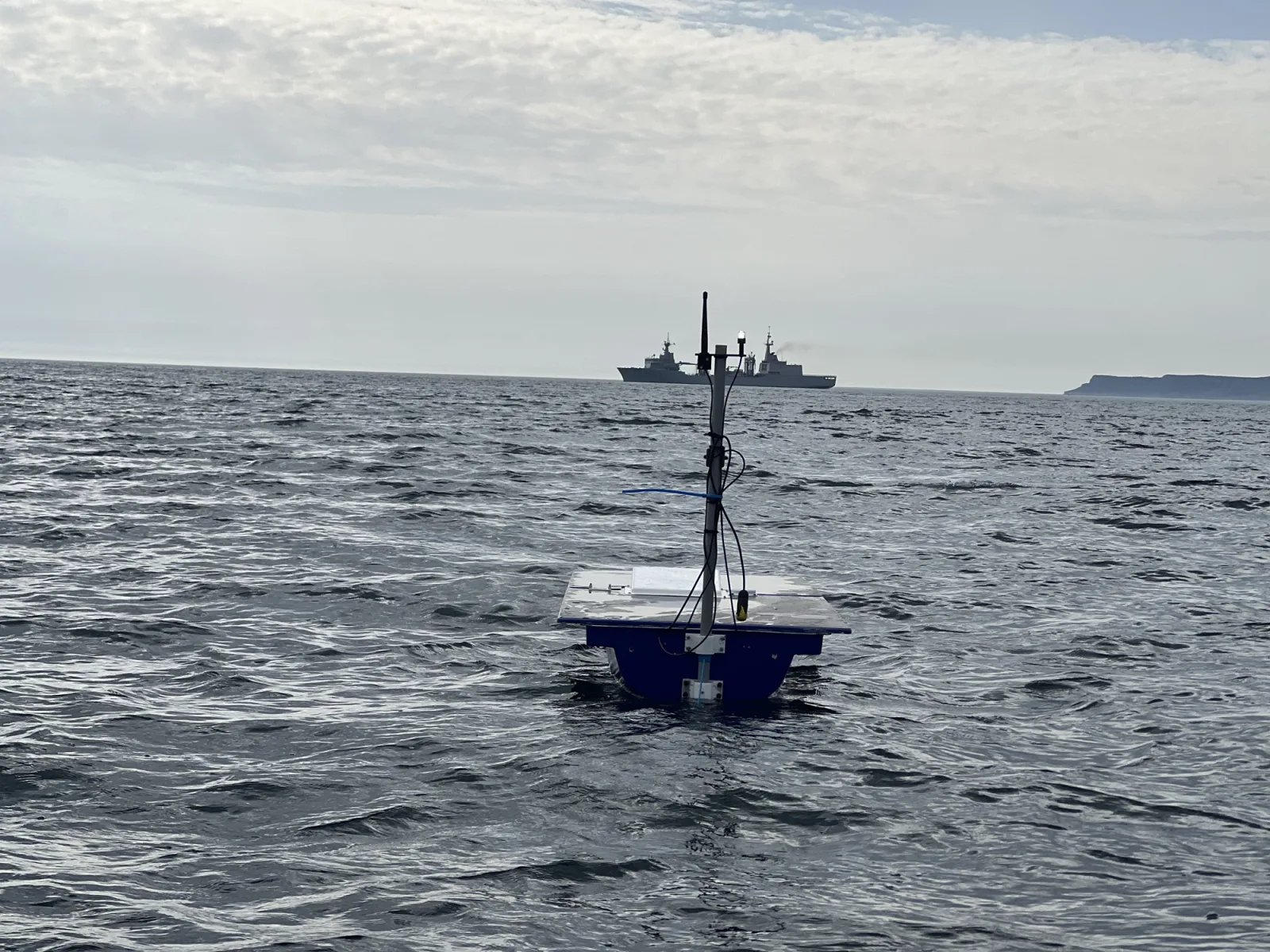
Scout USV autonomous surface vehicle on a persistent ocean data collection mission at sea
Case study 01 · Offshore energy

40 days offshore, carrying Sofar Ocean metocean sensors

SectorOffshore / metocean
PayloadSofar Ocean metocean sensors
Duration40 days continuous
Crew at seaNone

The brief was simple to state and hard to meet conventionally: continuous wave, wind and sea-state data offshore, without keeping a vessel on site. We fitted a Scout with metocean sensors from Sofar Ocean and held station offshore for 40 days, streaming data back by satellite the whole time.

Running on solar power with no crew, Scout delivered six weeks of unbroken metocean data, through changing weather, at a fraction of the cost of chartering a survey vessel for the same coverage. The same approach scales to multiple sites by relocating the platform or adding units.

40 daysContinuous on station
SolarNo fuel, no crew
LiveData by satellite
Case study 02 · Defence

REPMUS: a Scout swarm tracking AUVs for ASW

SectorDefence / anti-submarine warfare
PlatformsMultiple Scouts
PayloadHydrophones
EventREPMUS (NATO maritime unmanned systems)

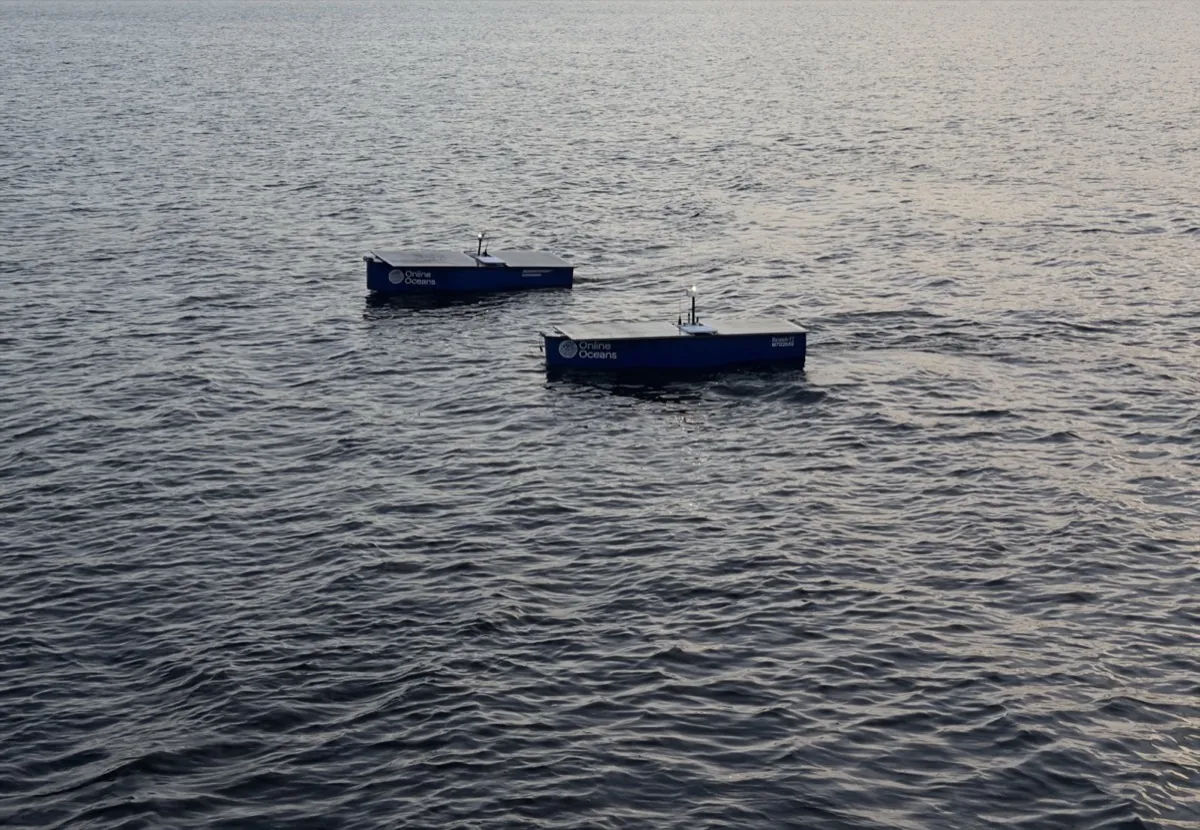
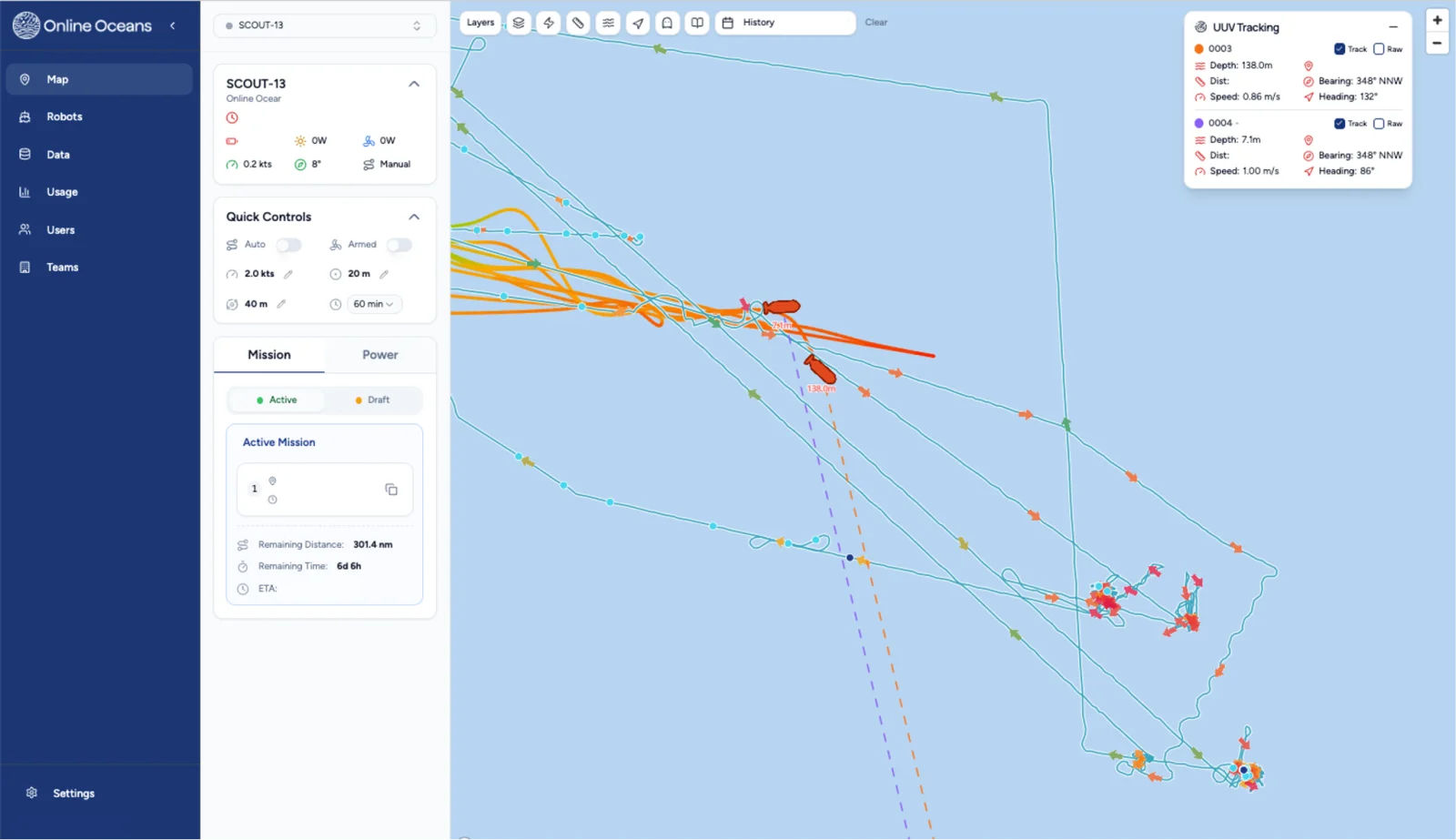
At REPMUS, NATO's maritime unmanned systems experimentation exercise, we deployed multiple Scouts carrying hydrophone payloads to provide distributed passive acoustic coverage across an area. Coordinated through Tether, the Scouts worked as a swarm to detect and track autonomous underwater vehicles (AUVs).

The exercise demonstrated a low-cost, scalable approach to anti-submarine warfare (ASW) sensing: a swarm of small surface vehicles puts many more hydrophones in the water than a single crewed asset, for a comparable cost, and each one is launched from shore by one person.

SwarmMultiple Scouts
HydrophonesDistributed acoustics
AUVsDetected & tracked
Case study 03 · Environmental monitoring

Passive acoustic monitoring: detecting whales and dolphins with Hydrotwin AI

SectorOffshore wind / environmental
PayloadScout Hydrotwin (hydrophone + AI)
ApplicationMarine mammal PAM
OutputReal-time detections to the cloud

Offshore developers and regulators need to know which marine mammals are present, and when, around a site. Fitted with Scout Hydrotwin, Scout runs passive acoustic monitoring (PAM) at sea: an onboard hydrophone listens continuously while Hydrotwin's AI detects and classifies whales, dolphins and porpoises in real time. Edge processing means alerts arrive immediately, instead of after months of manual analysis.

Because Scout holds station or transits for months on solar power, it can track cetacean presence and migration paths across a whole season. That supports environmental compliance for offshore wind construction and operation, marine protected area monitoring and baseline ecological surveys, all without a crewed vessel on site. See offshore wind monitoring for more.

Real-timeAI detections
MonthsSeasonal coverage
PAMWhale & dolphin ID

Bring us your mission

Persistent metocean monitoring, subsea data harvesting, maritime surveillance or distributed acoustics, Scout carries your sensors and stays on station for months. Learn more about the Scout USV, or explore data-as-a-service.

Need ocean data at a cost that makes sense?

Start a conversation